what does interfacing mean on a sewing pattern
Information and translations of interfacing in the most comprehensive dictionary definitions resource on the web. When sewing what does interfacing mean.

Tilly And The Buttons Interfacing Fabric Interfacing Fabric Sewing Techniques Sewing Lessons
What do you use interfacing for.
. Interfacing is a fabric which is used to make certain parts of a garment more stable. I suggest a Quilters Dream or Warm and Natural 100 cotton batting. When machine hand basting Pin the Sew-in interfacing to the wrong side of fabric and stitch with a 12 inch seam allowance.
The main one is the first listed at 175 yds. For example youll find interfacing in collars cuffs waistbands closures like buttonholes and sometimes hems. Measurement from middle of most prominent bone at the base of the neck down to waistline.
How to sew a key fob wristlet. Fabric interlocks are used to improve the stability of certain parts of clothing. Then each contrast fabric is listed below that.
As opposed to woven interfacing non-woven interfacing does NOT have a grain which means it can be cut in whichever direction you wish. Noun fabric sewn or fused especially between the facing and the outside of a garment as in a collar or cuff for stiffening reinforcing and shape retention. This type of interfacing is great when your sewing project needs body fullness and shape but you dont want the original fabric to lose its properties and feel.
Interfacing is a support fabric used in areas that need more stability than just the fabric weight. The sew-in interfacing is cut the same size as the piece to be backed. Fold the fabric around the belt and cut it into whatever shape you desire.
Sew back and forth over the seam a few times to reinforce it. In some cases you may want the fabric to retain its ability to drape pleat or flow without taking on the characteristics of the interfacing. What Does Interfacing Mean In Sewing.
Interfacing is a fabric which is used to make certain parts of a garment more stableIt is used as an additional layer which is applied. Crinkled and textured fabrics. A fusible interfacing since it is adhered to your fabric will cause the fabric to behave differently particularly if the interfacing is a non-woven unlike your fabric.
Can I sew directly on batting. Learn how to sew with online sewing courses or in person sewing lessons catered to your abilities and desires. In this situation use.
The fabrics recommended will be exactly that a recommendation. Fabric sewn or fused especially between the facing and the outside of a garment as in a collar or cuff for stiffening reinforcing and shape retention. Browse our range of dressmaking patterns shop the online haberdashery and explore our selection of haute couture interfacing.
Woven looks like fabric though stiffened or. What does interfacing mean. The horizontal line running across the back and around the fullest part of the bust.
Fusible interfacing has an adhesive to one side which allows it to stick to your fabric using heat. It is used to stabilize fabric or make a project a little more sturdy and is sewn on the inside of the fabric. Sewing courses and 1-to-1 tuition available in the UK USA and Australia.
When making fabric-covered belts inserting this stiff interfacing helps the inside of the belt hold its shape. In tailored garments you may find interfacing under entire garment sections and more than one type used within a single garment. Interfacing in sewing relates to adding a layer inside of those parts of the garment that need to be stiffened.
In some patterns you will be asked to use interfacing. Use sew-in interfacing when you want to make a sheer fabric less see-through. Non woven interfacing is composed of fibers usually polyester that have been bound together to create a fabric-like composition.
This is a list of the pattern pieces included in the sewing pattern. This heat is applied by ironing one side of the interfacing so that the adhesive will melt and stick. Lets say you want to interface a crinkled fabric but you dont want to lose its interesting texture.
What do we mean by interfacing. Interfacing can be bought at your fabric store just like fabric but in a special section. For me it is the most annoying part of sewing.
CONTRAST 3E - 45 12 yd. Slide the keychain hardware down to the sewn seam. Non-woven compressed fibers with one side covered with adhesive.
SEW-IN INTERFACING E - 18 20 2 58 yds. The high heat it needs would flatten your fabric. MEASUREMENT TERMS AND WHAT THEY MEAN.
It is either handmachine basted or simply caught in the seams as the garment is constructed. The interfacing is literally fused onto your material. The non-wovens often have a paper-like feel knit used when you need some stretch mostly in garment sewing An interfacing material can be used alone on fabric or in combination.
You can use it on a collar plackets cuffs etc. Sew-in interfacing is typically used in collars cuffs pocket flaps and other locations that require extra support. If the sewing pattern has different views then there may be a guide telling you which pattern pieces you will need from the full list along with a guide to which pages you need to print.
It is used as an additional layer which is applied to the inside of garments such as collars cuffs waistbands and pockets helping to add firmness shape structure and support to the clothes. Interfacing is a textile that is either sewn in or fused on using a steam iron between layers of fabric to give it structure and body. Non-fusible interfacing is also sometimes called sew-in interfacing does not have an adhesive side and requires to be sewed onto original fabric from the wrong side.
Sew-in interfacing as its name would imply needs to be sewn on. This means youll need 4 different fabrics for the main and contrast fabrics. This allows for more efficient use of the interfacing surface as well as preventing you from.
There are instructions on the pattern where you should use it. Adding this layer to garments collars cuffs waistbands and pockets allows them to become extra thick and firm. Interfacing can be.
That means using fusible interfacing isnt an option. Slip your d-ring or swivel hook over the key fob and match up the ends making sure there arent any twists in your wristlet. Interfacing definition a woven or nonwoven material used between the facing and outer fabric of a garment as in the collar and lapels of a jacket to add body and give support and shape to the garment.
Indicates how much fabric interfacing and lining you require to make a particular view on a pattern. How to apply a sew-in interfacing. Then sew the ends of the key fob together with a 14-inch seam.

Decoding Selvage Markings The Sewing Loft Sewing Hacks Sewing Essentials Sewing

Types Of Interfacing What Is Interfacing When To Use It Treasurie
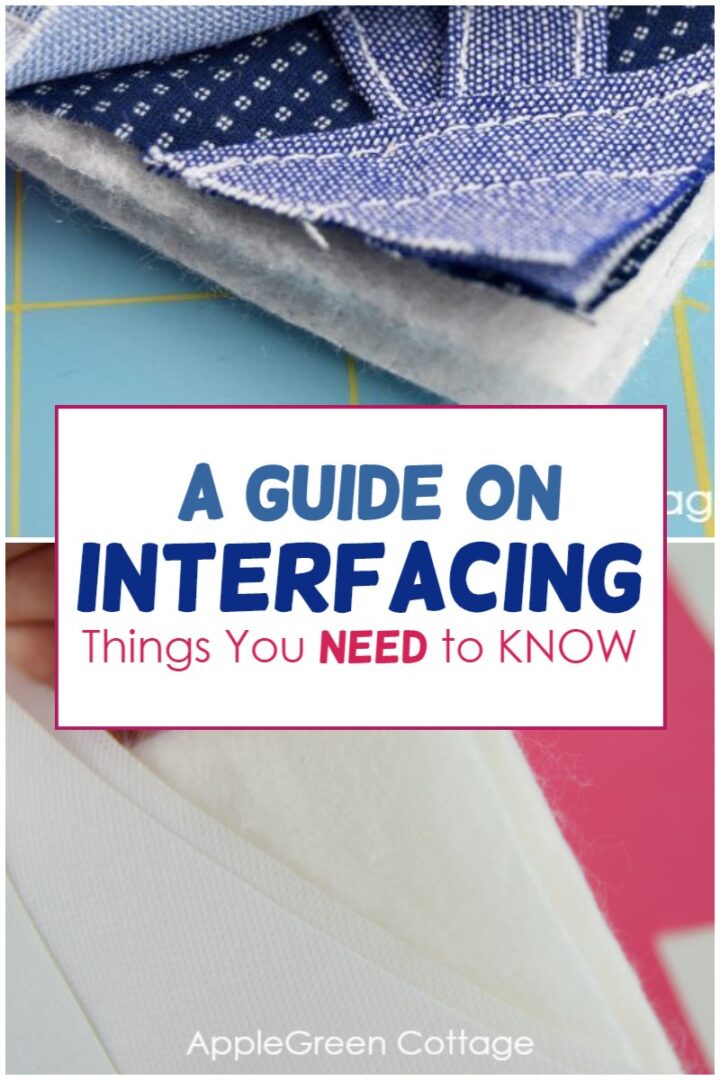
What Is Interfacing In Sewing Tips For Beginners Applegreen Cottage
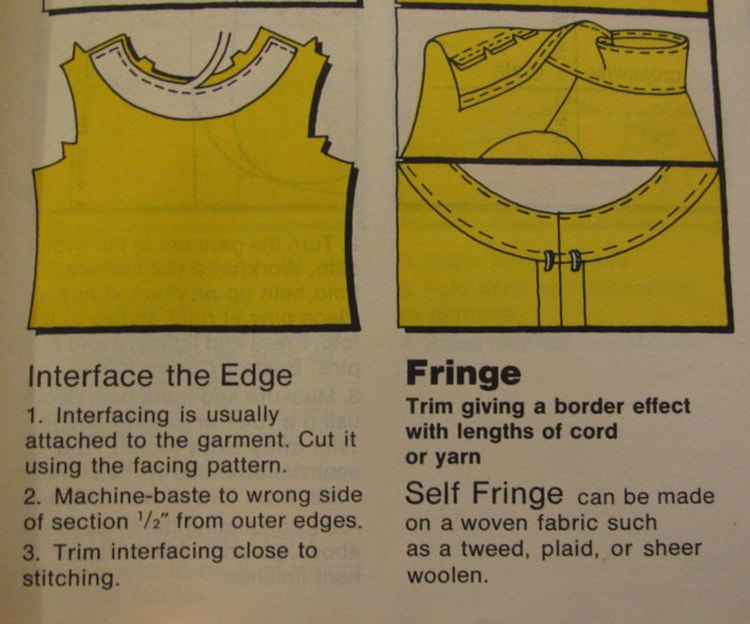
Vintage Sewing Interfacing And Facings Andrea Schewe Design

How To Apply A Sew In Interfacing Inseam Studios Sewing Sewing Hacks Sewing Techniques

All About Interfacing For Face Masks Filter Insert Idea Interfacing Fusible Interfacing Sewing Patterns Free

Pin On Knitalicious

How To Interface A Hem Threads Sewing Techniques Sewing Seams Sewing Patterns

Tilly And The Buttons Interfacing Fabric Interfacing Fabric Fabric Tilly And The Buttons

Different Types Of Interfacing And When To Use Them So Sew Easy Sewing Hacks Sewing Lessons Easy Sewing

Fabric Bucket Tutorial Fabric Baskets Sewing Purses Purses
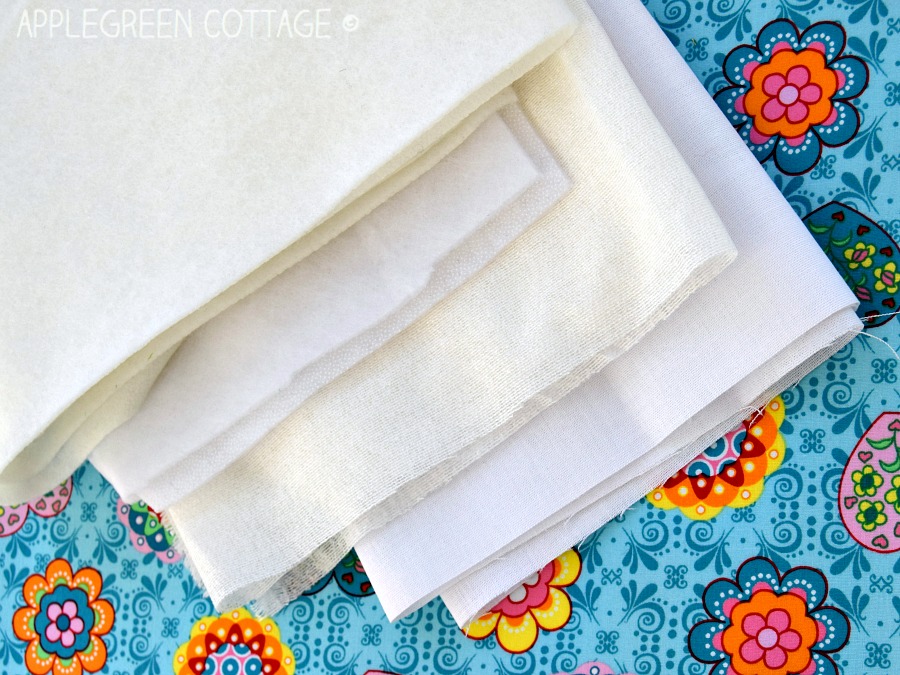
What Is Interfacing In Sewing Tips For Beginners Applegreen Cottage

What A Sewist Should Know About Interfacing With My Hands Dream

Pin On Tasjes